Skip to content
Termites, often dubbed as “silent destroyers,” are pests that have been causing damage to homes for over 120 million years. These wood-destroying insects can go unnoticed for long periods, causing significant structural damage. It’s important to be able to identify them early to prevent severe damage. In this guide, we’ll dive into the detailed characteristics of termites, making it easier for you to spot them in and around your home.
General Characteristics of Termites
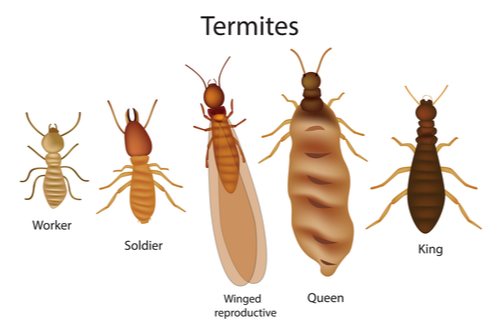
Termites are small insects, usually ranging from 3mm to 1 inch in length, depending on their species. Despite their small size, they have long, oval-shaped bodies and are often cream or light brown in color. These pests have soft bodies, unlike ants which have more rigid, segmented bodies. Their bodies are long and cylindrical, and they are typically characterized by straight antennae.
Size and Color Variations
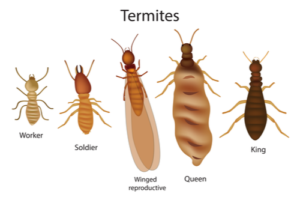
- Worker termites: These are usually cream or light yellowish in color, and they are the most commonly seen termites in infestations.
- Swarmers: Winged termites are often mistaken for flying ants. They typically have a dark or black body, and their wings are equal in size, unlike ants whose wings are different sizes. Swarmers are larger than workers, reaching up to 1 inch in length.
- Soldier termites: These termites are larger than workers and have larger heads with well-developed jaws for defense.
Types of Termites and Their Unique Features
There are several species of termites found across the globe, each with unique features that can help in identification.
Subterranean Termites
These termites are one of the most destructive species and are typically found in the soil. They are light brown or cream in color and are known for building mud tubes to travel from their colonies to their food sources.
Drywood Termites
Drywood termites are commonly found in wooden structures and do not need contact with the soil. They are typically light brown or cream-colored and can range in size from ¼ inch to ½ inch. These termites are often identified by the tiny holes they leave behind in wooden surfaces.
Formosan Termites
Formosan termites are a particularly aggressive species that can cause rapid and widespread damage to structures. These termites are similar to subterranean termites in appearance but tend to be slightly darker. They are typically brown with a yellowish tint.
Dampwood Termites
Dampwood termites prefer moist environments and are typically found in decaying wood or wood in contact with the soil. They are large, ranging from 1 to 1.5 inches in length, and have a dark brown or reddish color.
Key Differences Between Termites and Ants
Termites are often mistaken for ants due to their similar size and appearance. However, there are distinct differences:
- Antennae: Termites have straight antennae, while ants have bent or “elbowed” antennae.
- Waist: Termites have a broad, straight waist, while ants have a pinched or narrow waist.
- Wings: When flying, termites have wings that are equal in size, while ants have wings of unequal size—larger forewings and smaller hindwings.
The Role of Swarmers in Termite Colonies
Termite swarmers are the reproductive termites in a colony. These termites have wings and leave the colony in large numbers to mate and establish new colonies. Swarmers are most commonly seen in the spring, particularly during warm weather, and they can often be found near windows or other light sources. They are more likely to be seen outdoors but may also infest indoor areas if they find suitable conditions.
What to Do if You Find Termites
If you spot any of the signs of a termite infestation, such as the presence of swarmers, mud tubes, or small holes in wood, it’s essential to act quickly. Termites can cause significant structural damage if left unchecked. Contacting a licensed pest control professional is crucial to properly identifying the species and ensuring that the right termite treatment is applied. Professional pest control experts can effectively manage and eliminate infestations, preventing further damage to your property.
Conclusion
Knowing how to identify termites is the first step in protecting your home from these destructive pests. Termites are small, elusive insects that can be difficult to detect until significant damage has already been done. By understanding their appearance, behavior, and how to differentiate them from other pests like ants, you can take proactive steps to prevent or manage an infestation. Remember, when in doubt, it’s always best to consult with a pest control professional to ensure your home stays safe and free from termites.